
Last Updated on 18/11/2024 by Adrian Lamb
Batterybox Technologies’ main offering is hybrid energy systems, which consist of solar Photovoltaics (PV) and battery storage under a battery-as-a-service agreement. There are also power purchase agreements where Batterybox installs the systems and meets the upfront capital cost of installation.
This allows the customer to apply the savings in electricity costs to pay for the system over the agreement’s term. Then, at the end of the term, the customer takes ownership of the system for a nominal amount.
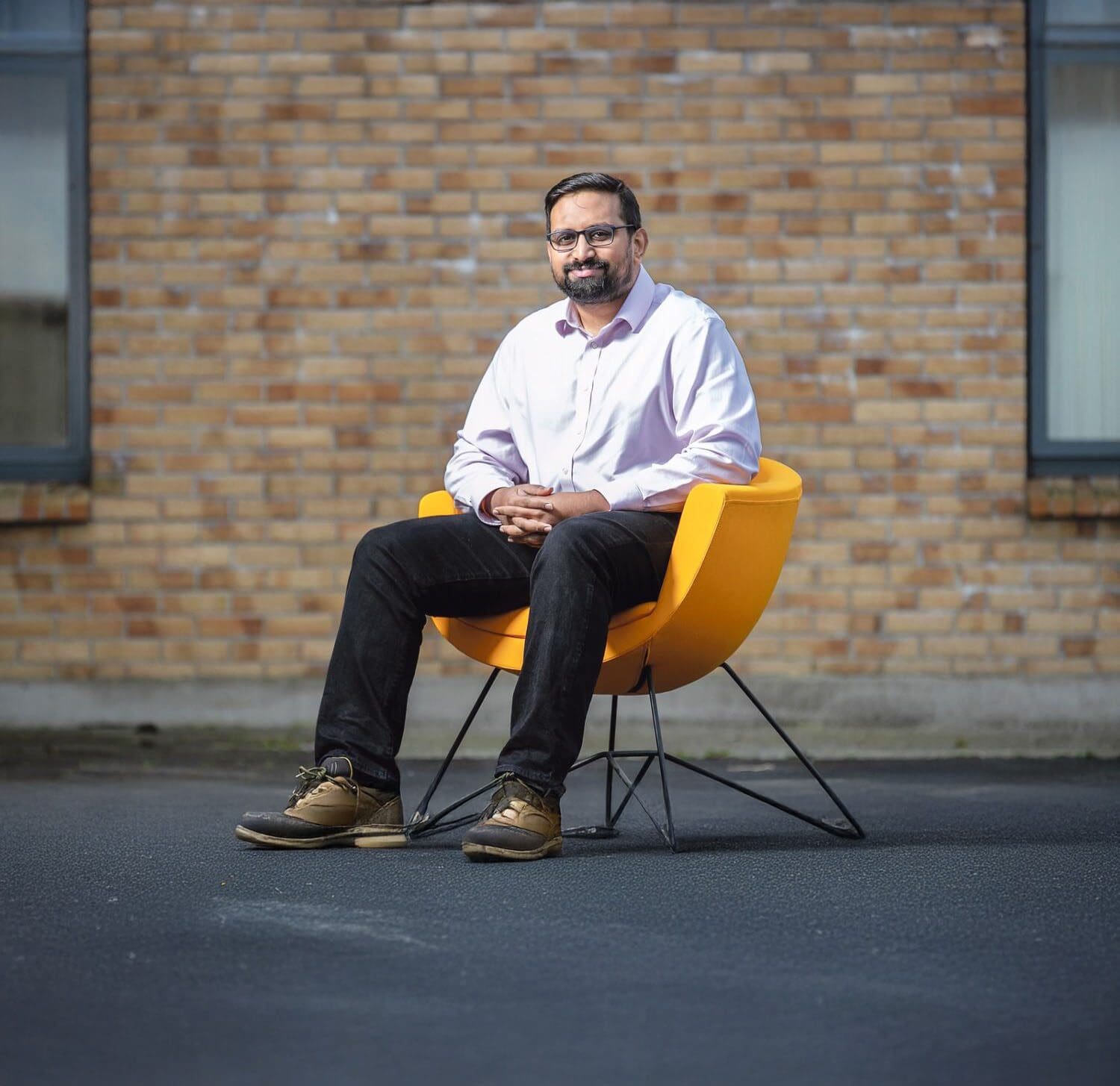
Kevin Augustine, who oversees business development and project management for Batterybox Technologies, said the company’s main unique selling point is its 15-year guarantee for small commercial enterprises.
“Generally, for commercial, you’re looking at 15 years because that’s where you get the most attractive rate,” he explained. “The concept is that we’re helping commercial customers go green through no upfront deposit.
“Normally, with PPAs (Solar Power Purchase Agreements), other companies would be installing on a longer-term basis; they would be installing for 20 or 25 years, but our base product is a 15-year maintenance package.”
Batterybox Technologies deployed its first installation in September and has 14 more on the way with reputable Irish brands. Similarly, it has established partnerships with reputable installers to carry out solar installations, ensuring peace of mind for commercial clients.
“We’re working with reputable installers who have been in the business for so long because it gives that level of comfort and security for SMEs,” he explained. “These people have been in the industry for a long time, this is their background, and we know them.
“With our system, they are assured of reliable solar power for the next 15 years. This offers unique value, especially in a market where businesses are accustomed to full ownership or financing options.
“Our approach is simple, the solar system on your roof essentially pays for itself through your energy usage and the customer knows that if there is an issue, we will come out to them and resolve it for them, providing them with peace of mind about installing the system. The idea is you’re giving the SMEs the same privileges as a large commercial company that is utilising a PPA,” he added.
The commercial space has different challenges compared to residential space. Whereas households can significantly cut their energy bill through solar alone and effectively not rely on the grid if they have battery storage, commercial entities have different challenges.
For one, commercial clients would have higher usage and may require power 24/7, which solar cannot cover alone. However, having battery storage can give them a discount, which Augustine describes as almost like extending their nighttime rate into the daytime.
All these elements allow SMEs to have more control over their energy usage. “There’s a benefit of storing your excess solar, which is a great thing, but fundamentally, it’s about giving more control to a business with their electricity usage because that’s what everyone wants,” said Augustine. “It’s not just paying a bill; it’s knowing what you’re paying for and getting the best value out of it.
“Especially in this market where small margins are crucial, it’s all about maximising value and delivering real benefits to the customer.”
With the EIIS funds, the company aims to raise up to €2 million, giving investors 35 per cent tax relief on their investment. This will go towards building on the foundations already set by Batterybox, deploying more systems, and building up the business so it can assist more SMEs.
Augustine mentioned that the systems can also be beneficial for charities and communities as well as SMEs. He mentioned discussions with one Dublin-based charity and how it appeals to them because they don’t have to pay anything upfront to go green. These efforts are just as much about community engagement as they are about installing these renewable systems.
“It’s not only showing our communities we can help them go green but also about engaging the community on these ideas,” he said. “Whether they want to go solar or not, that’s up to them, but ultimately, it starts the conversation about how we go green and how they can do it themselves, too.”
This article appeared originally on the Business Post.

 All Rights Reserved |